
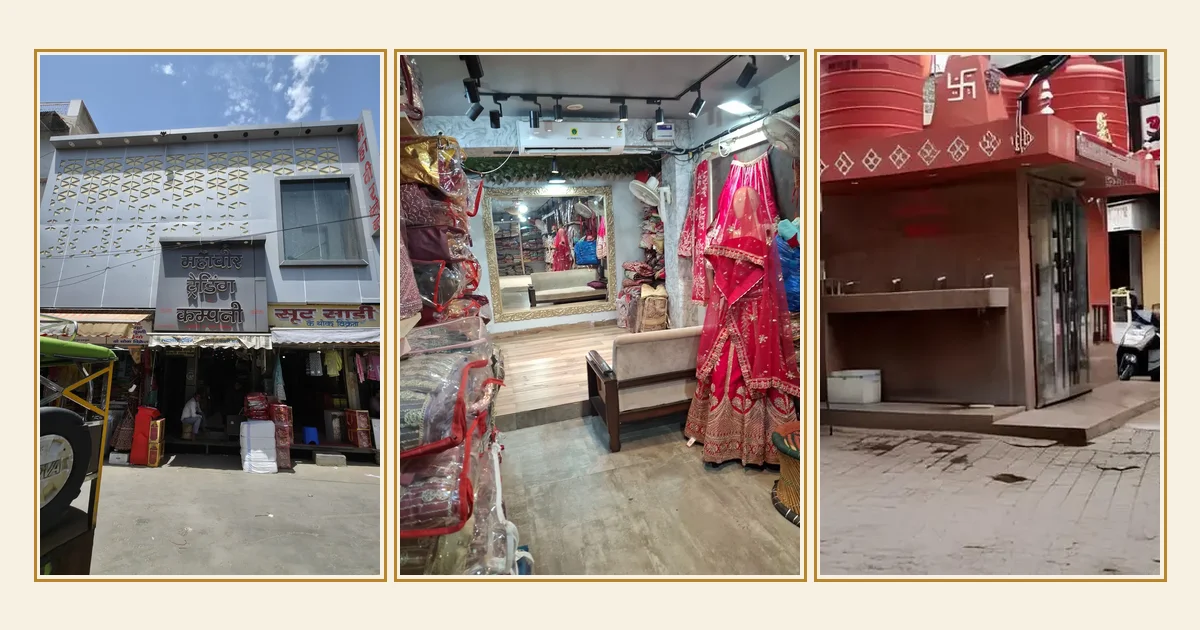
Every week someone stands in our shop holding a saree up to their face and asks, "Mere par kaunsa rang achha lagega?" The honest answer is that the right colour depends on your skin, your outfit and the day you will wear it. There is no single shade that suits everyone. But there are simple checks that work for most people, and they take only a few minutes. Do them before you pay, and the saree will look right at the function, not just in the shop.
Start with your undertone, not only your skin colour
Skin tone is how light or deep your skin is. Undertone is the faint colour under the surface. Two people with the same skin tone can have different undertones, and that is why one colour looks fresh on one person and dull on another.
A common check is your wrist in daylight. If your veins look greenish, your undertone is usually warm. If they look blue or purple, it is usually cool. If you cannot decide, you are probably neutral. This is a guide, not a rule, so use it together with the mirror test below.
Warm undertones: earth tones and gold
Warm skin often looks rich in rust, mustard, terracotta, peach, orange-red and deep maroon. Gold zari works well on a warm base, so a saree with a gold border can look very complete for a wedding or a puja. Avoid very cold colours like icy grey if you want a warm glow.
Cool undertones: jewel tones and clear colours
Cool skin often suits royal blue, emerald green, magenta, plum, rani pink and pure white. Silver zari sits well with cool colours and can make a saree look crisp. Many women with cool undertones find that gold looks a little heavy on them, so compare both before you choose.
Neutral undertones: you have the most choice
If you are neutral, most colours will work. Olive, teal, wine, bottle green, soft blue and classic red are good starting points. For neutral skin, the choice is less about the undertone and more about the mood you want. Pick the colour that makes you feel bright.
Try the mirror test in daylight
This is the most useful step, and it takes two minutes. Hold the saree up near your face, not only at your waist. Stand near a window or go outside, because tube light changes colours and hides small differences. Then look in a mirror and take a quick photo on your phone.
If your face looks tired, grey or yellow next to the colour, try the next shade. If your eyes and skin look clearer, you have found a good one. Trust the photo as much as the mirror, because it shows how the colour looks to other people.
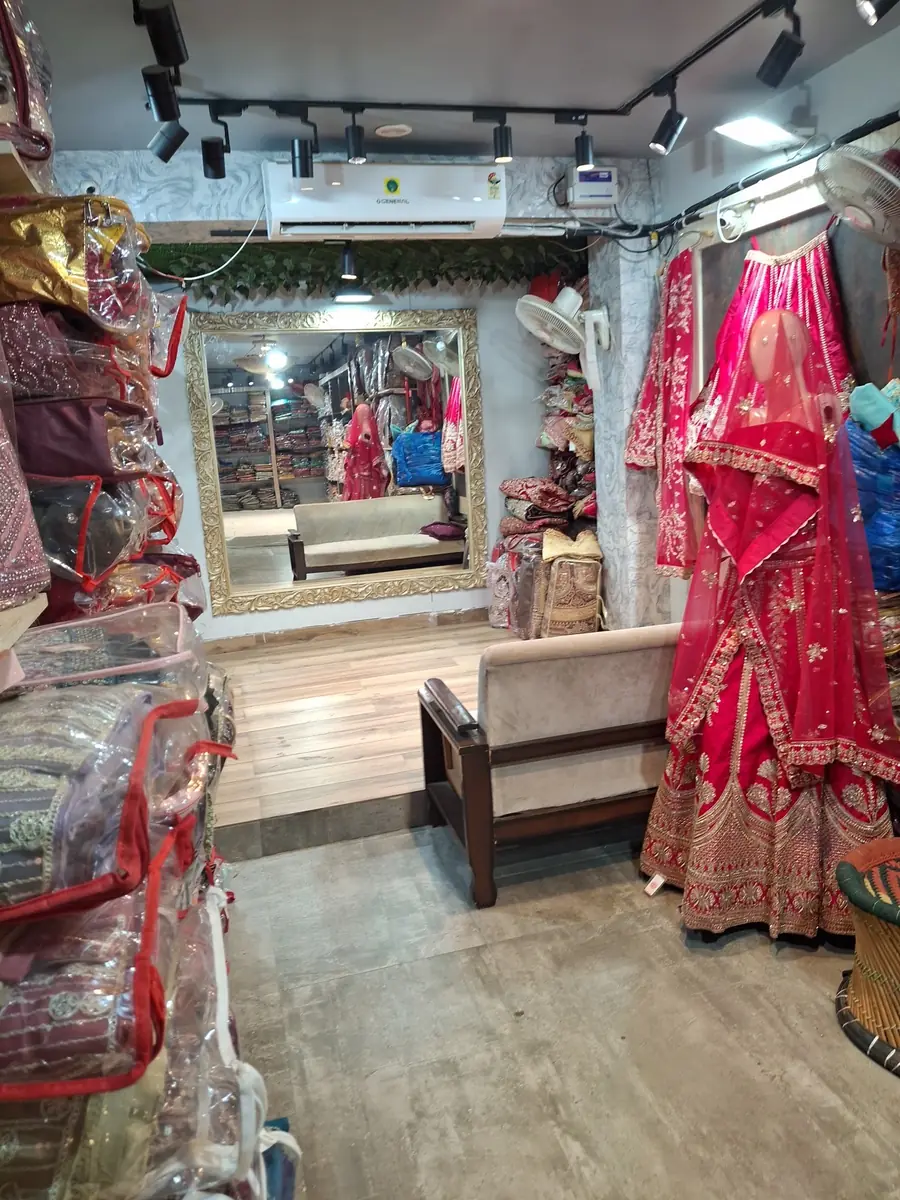
Choose the colour for the function
Your skin tone decides what suits you. The function decides what is right for the day. Many families pick bright yellow, orange and light green for haldi, because those colours feel fresh and festive. For puja and family visits, deep maroon, green, gold and royal blue look formal and calm. For a reception, many people choose a richer shade with a strong border, so the saree shows in photos.
For the full function-by-function guide, read our wedding season saree guide. For office or daily wear, softer shades like dusty pink, lavender, grey-blue and cream are easy to wear all day.
Do not forget the border and the pallu
Sometimes the body of the saree is not the right colour for you, but the border or pallu is. A border in a shade that is close to your face can bring the colour up, and the rest of the saree becomes a background. Look at the whole saree, not only the big colour block. Ask yourself which part of it sits closest to your face when you drape it.
The blouse changes everything
A blouse can make a good saree look ordinary, or make a plain saree look special. You can match the blouse to one colour in the border, or pick a contrast that brings out your skin. Bring the saree when you buy the blouse, or send a photo on WhatsApp first. Give the blouse a few extra days, because tailoring takes time, especially in the wedding season.
Common mistakes to avoid
- Choosing only by the shop light. Shop lights can make every colour look brighter than it will be at home.
- Choosing only by a photo on a phone screen. Screens change colour, so a photo is a guide, not the final answer.
- Buying the same colour you always wear, when the function calls for something new.
- Forgetting the people around you. A bright bridal colour can overshadow a family photo if the group is wearing similar shades.
Questions to ask the seller
A good seller will help you test the colour, not only sell it. Ask to see the saree in daylight near a window. Ask which two or three colours suit the outfit you have in mind. If you are buying from a photo, ask whether the colour in the picture matches the real saree, and ask for a clear photo in daylight before you pay.
Your quick checklist
- Check your undertone with the wrist test in daylight.
- Hold the saree near your face, by a window.
- Pick the colour for the function, not only your favourite.
- Look at the border and pallu, not just the body colour.
- Check the blouse with the saree before you finalise.
- Show two colours to family, then decide.
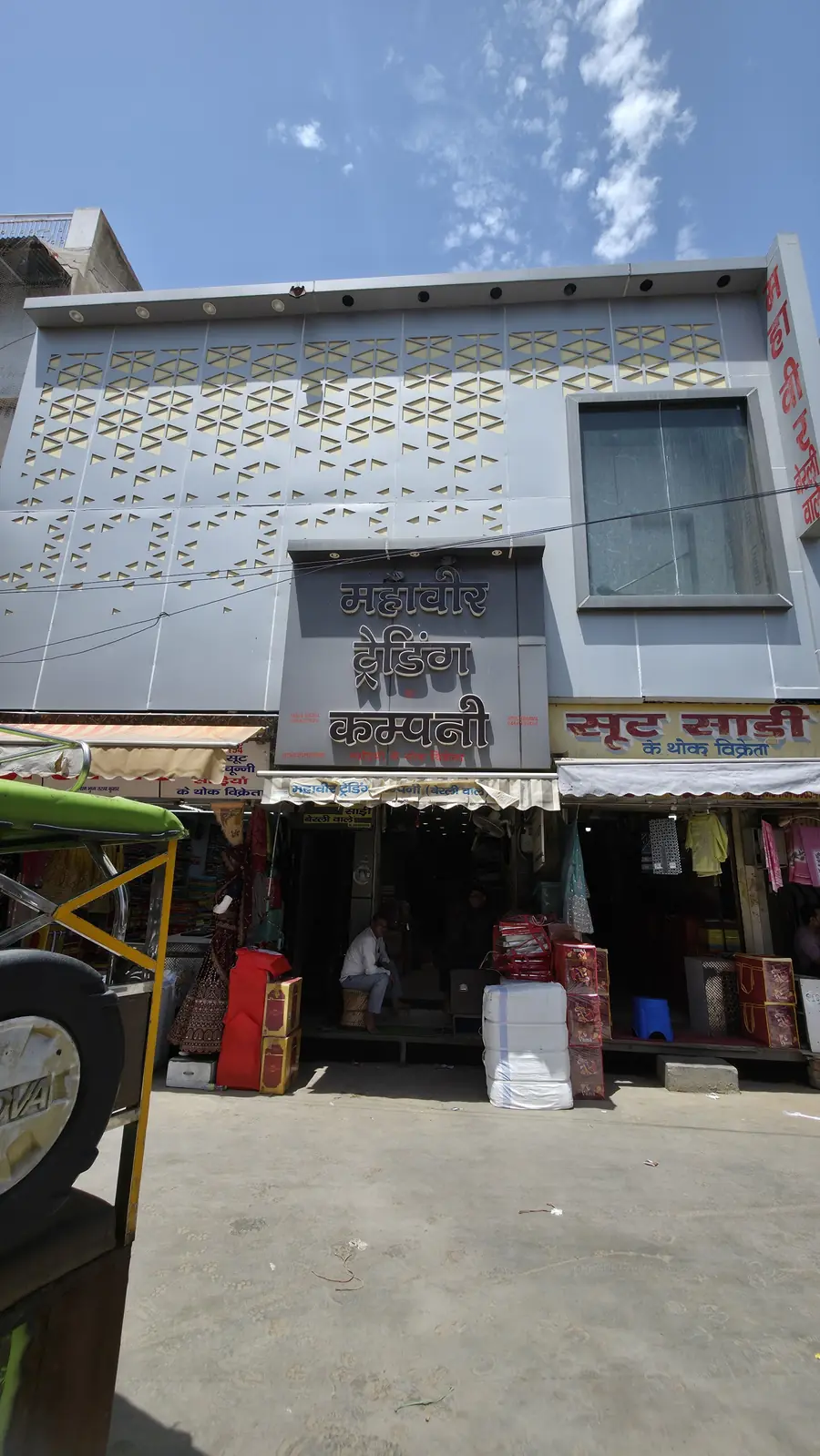
If you are still unsure, message us on WhatsApp at 99207 53269 with the function, the date and the colours you like. Send us a photo of your outfit or jewellery, and we will help you narrow it down before you visit. Come by the shop in Bajaja Bazaar when you are ready, and take your time. A good colour is one you still like at the end of the day.
Visit our store in Rewari
Mahavir Sarees
Mahavir Chowk, Bajaja Bazaar, in front of Hanuman Mandir, Rewari, Haryana 123401
Mon–Sat 9:30 AM–8 PM · Sun 10:30 AM–6 PM
Call 093548 27020 · WhatsApp 99207 53269