
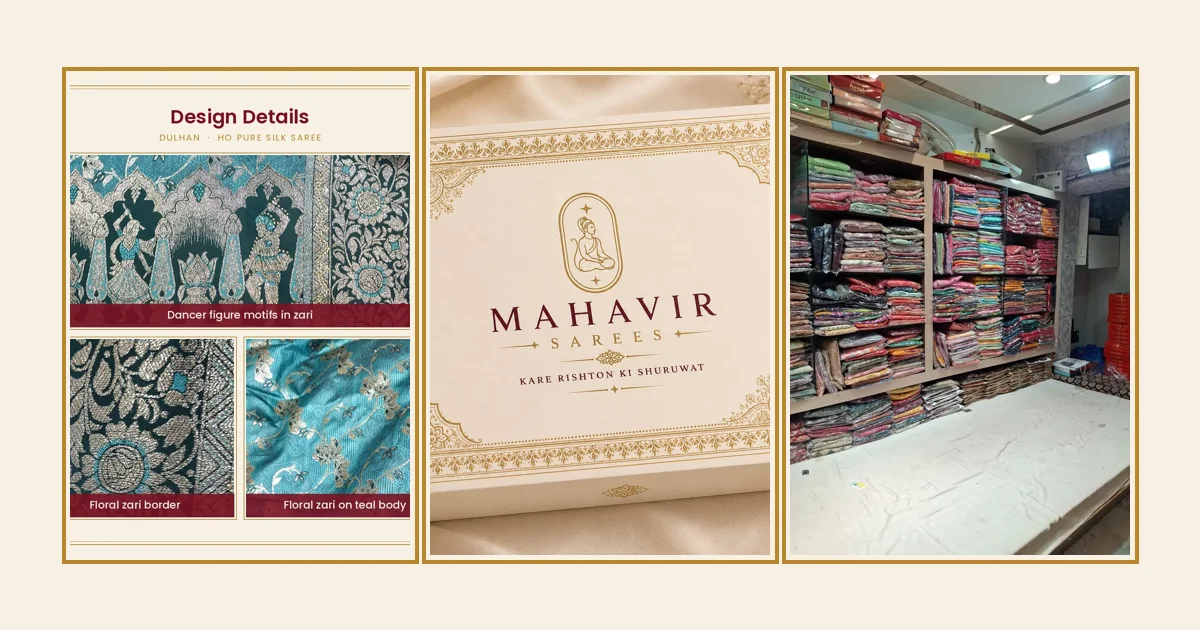
After a festival or a wedding, the saree goes back into the cupboard, and that is where a lot of damage starts. Pure silk and zari sarees can last for many years, but they need a little care. Most harm comes from three things: the wrong wash, a hot iron, and bad storage. This guide covers all three in simple steps. With Diwali this weekend and wedding muhurats coming from around 21 November, many of you will wear sarees more often this season, so here is how to look after them.
Before you wear it
- Dress in the right order. Put on perfume, deodorant, hair spray and makeup first, then the saree. Oil and perfume spots are hard to remove from silk, and they can dull zari.
- Check the border and pallu. If you see a loose thread, snip it close to the fabric with small scissors. Do not pull it, because a pulled thread can take more threads with it.
- Keep food and drink away. Sit away from the buffet table until the pleats are set and you are sure of your steps.
Washing: dry cleaning is the safe choice
For pure silk and zari, dry cleaning is the safest option, especially for heavy zari work and wide borders. Tell the cleaner exactly what the saree is, and ask them to check the zari before pressing. A good cleaner also handles oil and ink stains better than most home methods.
Some families do wash light silk sarees at home. If you do, go slowly:
- Fill a basin with cool water and add a few drops of mild shampoo or a gentle soap.
- Test a small hidden corner first. If the colour runs, stop and take the saree to a cleaner.
- Dip the saree and press it gently. Do not rub the fabric against itself or against the basin.
- Rinse in clean cool water until no soap is left.
- Do not wring it. Roll it in a clean cotton towel and press lightly to take out the water.
- Dry it in the shade, spread flat or on a wide rod. Keep it out of direct sun.
Ironing without damage
Iron the saree on the reverse side, so the zari and the print face the cloth. Put a clean cotton cloth between the iron and the saree. Use a low to medium setting, and keep the iron moving. Avoid direct steam on zari work, because heat and moisture can mark the metal thread. If the saree is badly creased, lightly dampen the cotton cloth, not the saree, and iron through it.
Sunlight and colour
Direct sun fades colours, and that includes pure silk and printed sarees. When you dry or air a saree, choose a shaded spot with good airflow. Do not leave it on a balcony rail in the afternoon sun, even for an hour.
How to store your saree
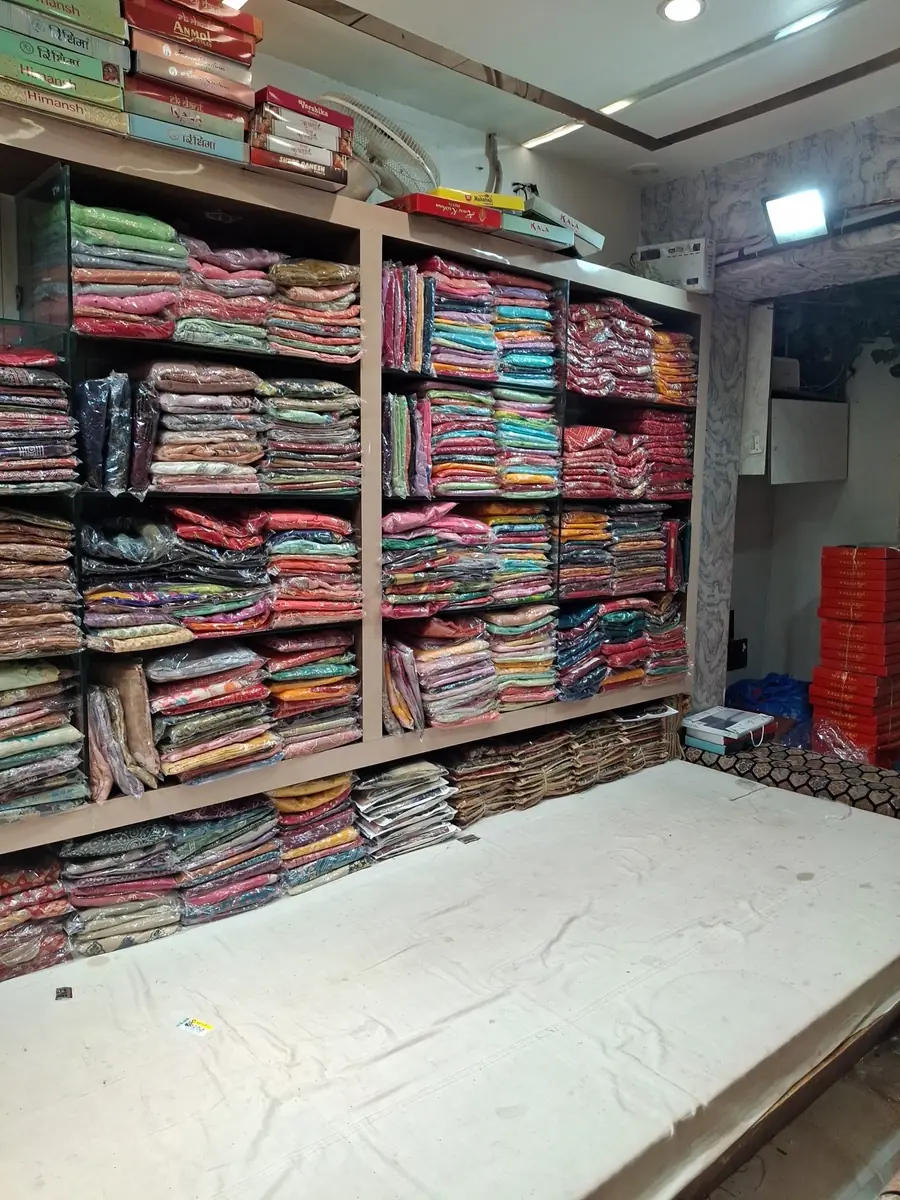
Good storage matters as much as careful washing. These habits keep a saree fresh between functions:
- Wrap it in cotton or muslin. A clean cotton or muslin cloth lets the fabric breathe. Plastic covers trap moisture, so do not keep silk in plastic for long.
- Change the folds. Fold the saree loosely and change the fold lines every few months, so the fabric does not crease in one place. Put clean tissue paper between the folds, especially over the zari.
- Keep it dry. Damp cupboards are the biggest enemy of zari, which can darken and tarnish. A small pouch of silica gel in the cupboard helps keep the air dry.
- Be careful with mothballs. If you use them, keep them in a small separate pouch that never touches the saree. Their smell can stay in silk.
- Air it now and then. Every two or three months, take the saree out for an hour in the shade, then fold it again.
- Fold heavy sarees, do not hang them. A long hang can stretch the shoulder area, especially on heavy wedding sarees. Folding is kinder to the fabric.
Stains: act fast, but gently
Blot a fresh stain with a clean, dry cloth. Do not rub, because rubbing pushes the stain deeper and roughens the fibres. For water or tea, blot and then take the saree to a cleaner. For oil, ink or colour, do not try strong chemicals at home. Take it to a dry cleaner the same day.
After the function: air it first
When you come home, do not fold the saree straight away. Open it out on a bed or a clean chair in a dry room for a few hours. This lets sweat, smoke and humidity leave the fabric. Once it is fully dry, fold it and put it away. Folding a damp saree is how mustiness and marks start.
A small care kit at home
You do not need much. Keep a clean cotton cloth for ironing, a soft cotton towel for drying, a few sheets of acid-free tissue paper, a small muslin bag, a pouch of silica gel and a pair of small scissors for loose threads. Store the kit in the same cupboard as your sarees, so you always know where it is before a function.
When you buy a new saree
Ask us about the fabric of any saree you are thinking of buying, and ask how it should be cleaned. Every saree is different, and it is better to ask than to guess. Here are the sarees from our shop that you can look at now. Every price includes shipping.
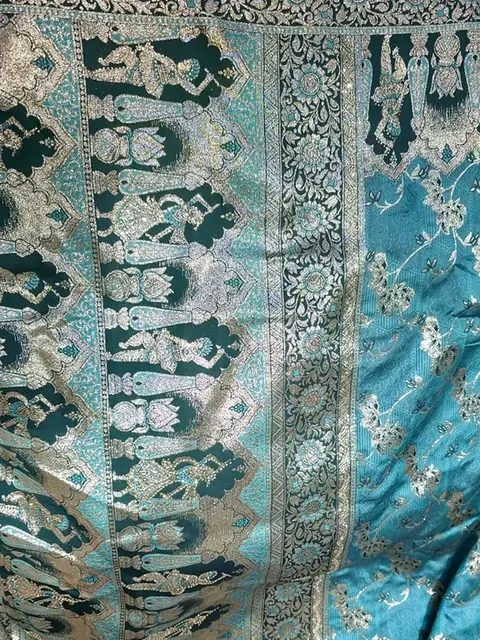



Need advice on a saree you already own?
Send us a photo of the saree and your question on WhatsApp at 99207 53269. You can also visit our shop at Mahavir Chowk, Bajaja Bazaar, in front of Hanuman Mandir, Rewari. A little care now means your saree will still look good at the next wedding.
Visit our store in Rewari
Mahavir Sarees
Mahavir Chowk, Bajaja Bazaar, in front of Hanuman Mandir, Rewari, Haryana 123401
Mon–Sat 9:30 AM–8 PM · Sun 10:30 AM–6 PM
Call 093548 27020 · WhatsApp 99207 53269